Research // Research Collaborations // Community Projects
-
OTEKH Lab collaboration: Tanya Doody / Jackson 2bears / Micheal Zeigler / Vidhi Joshi
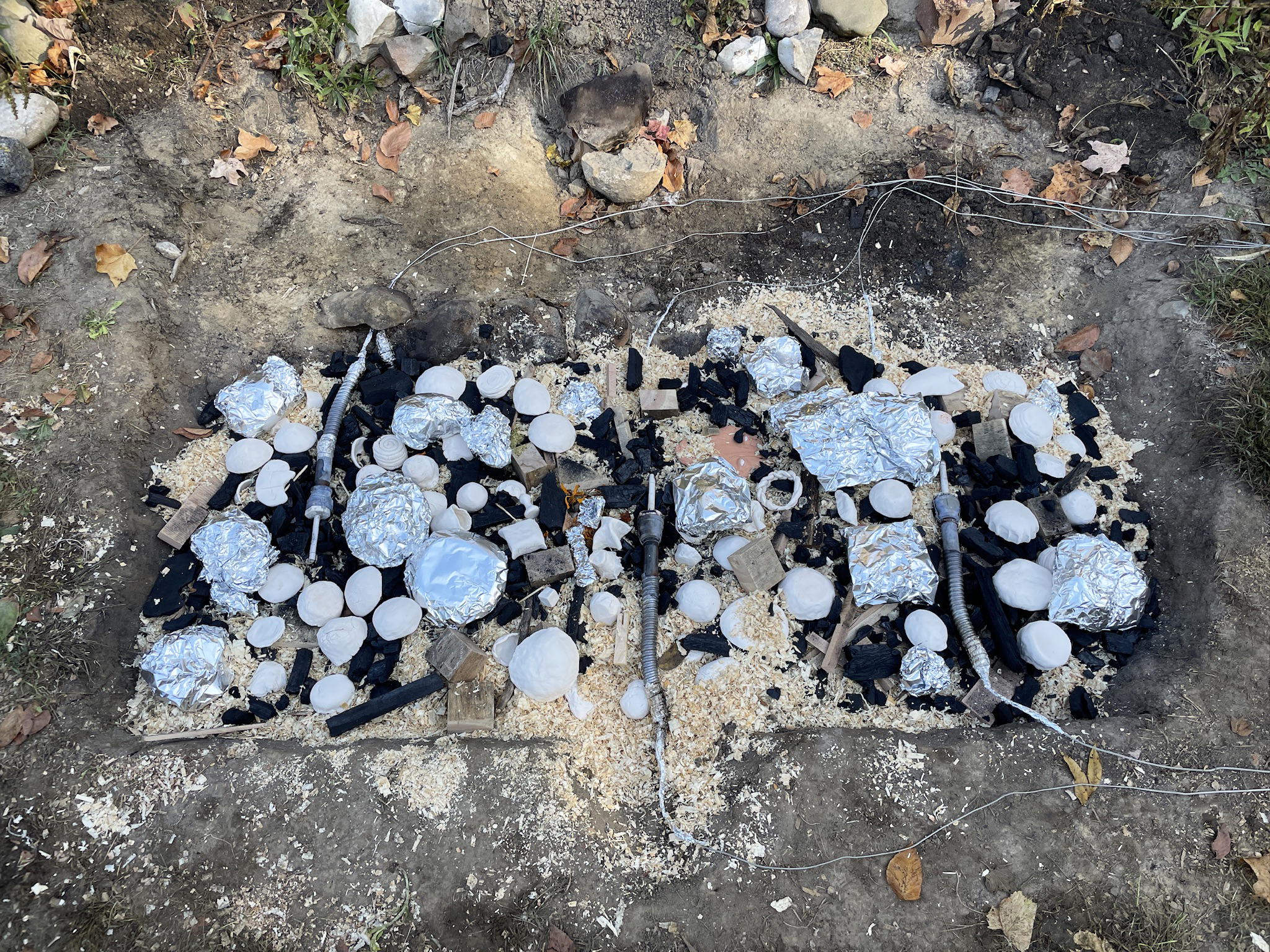
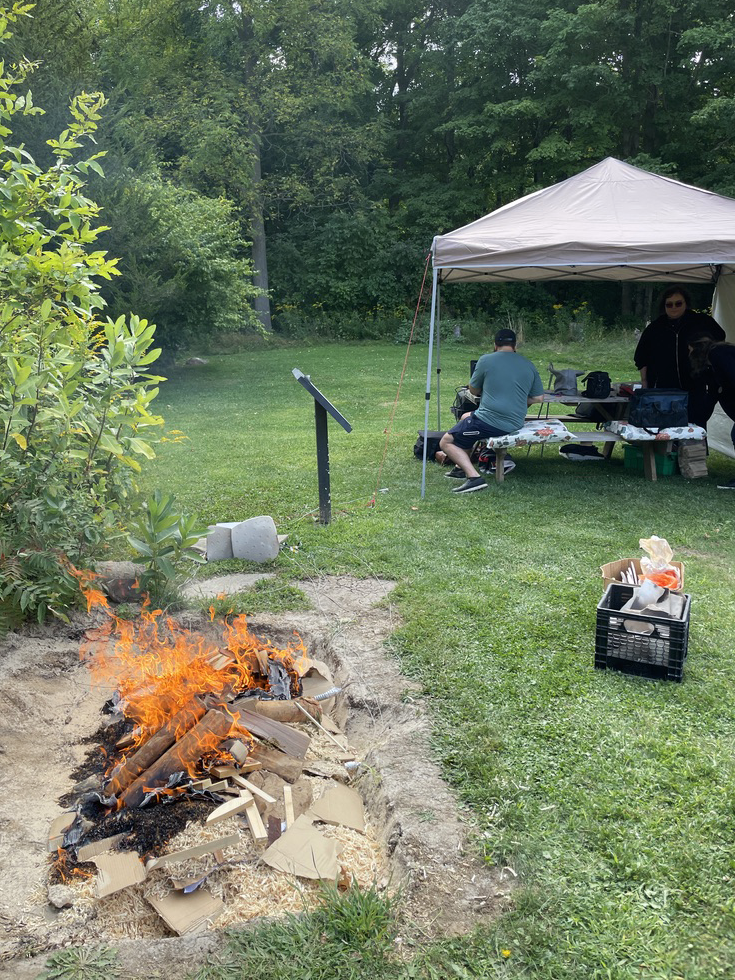
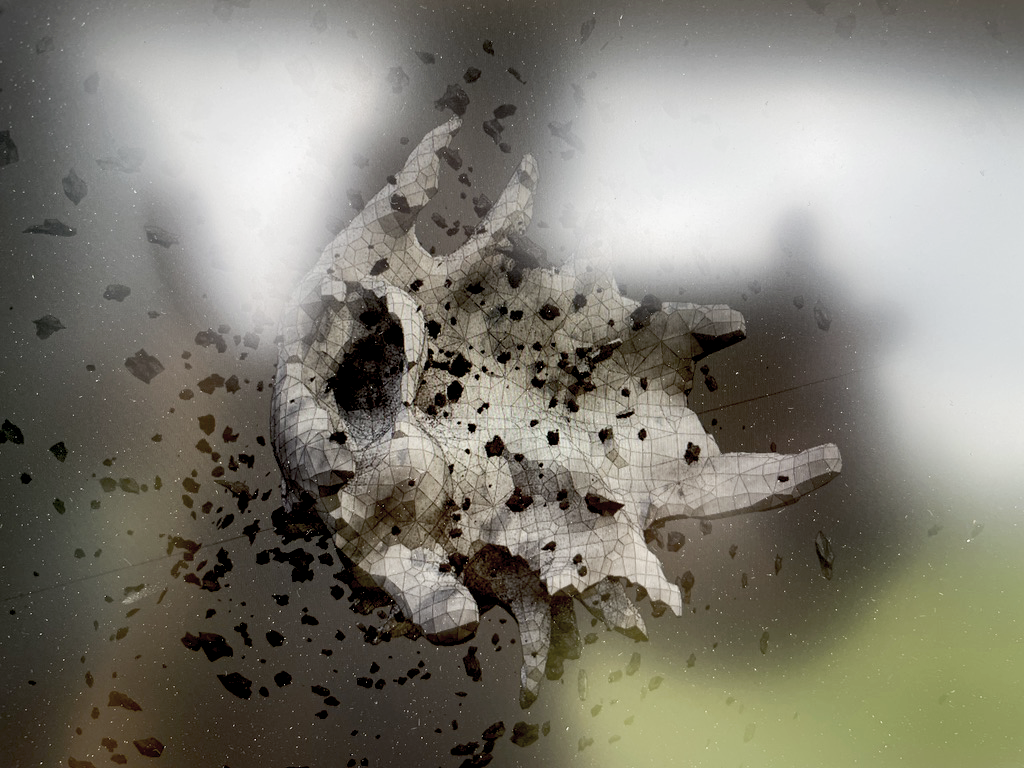
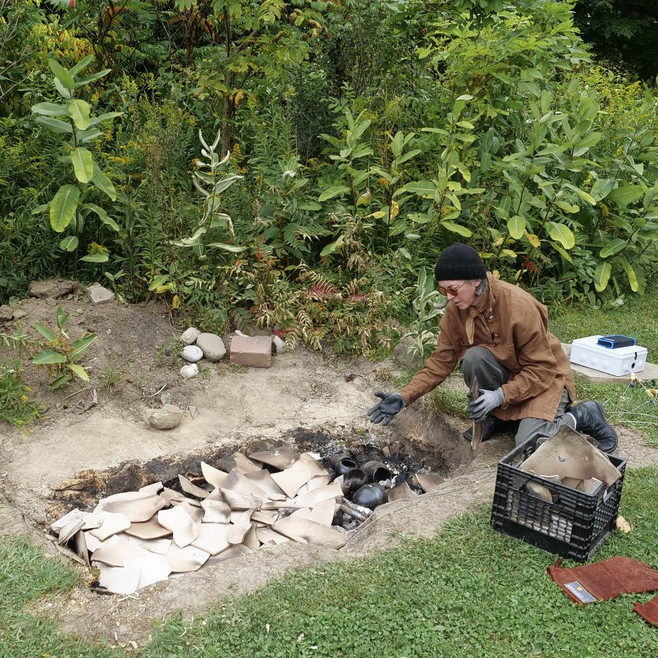
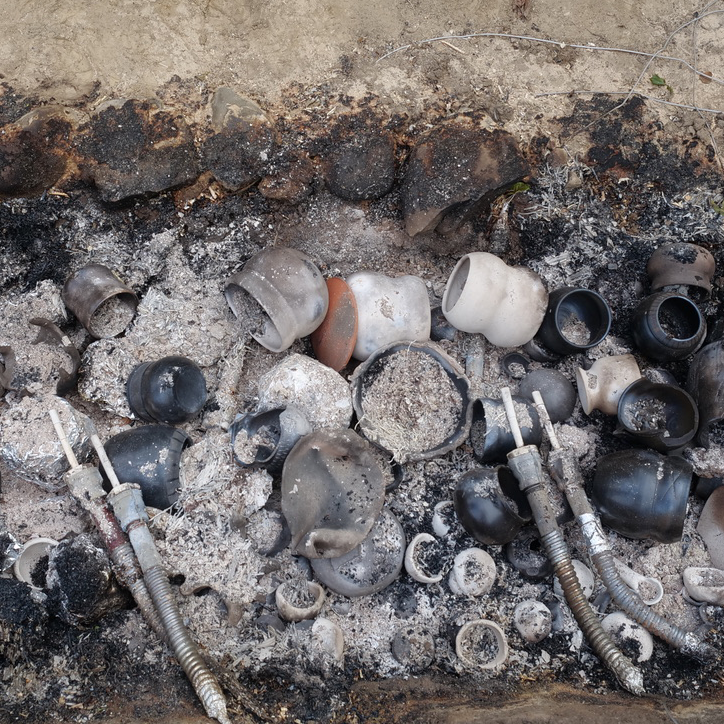
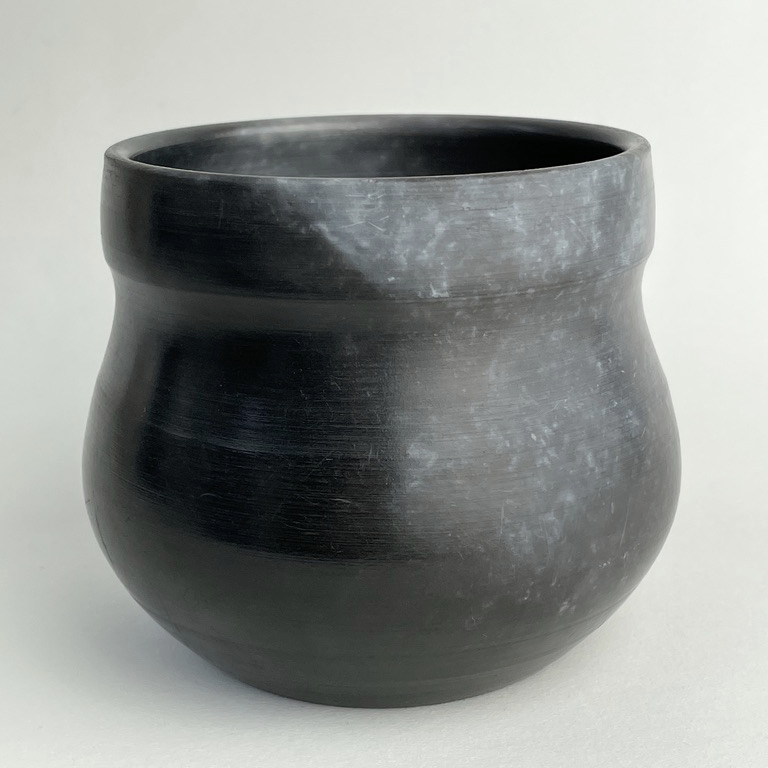
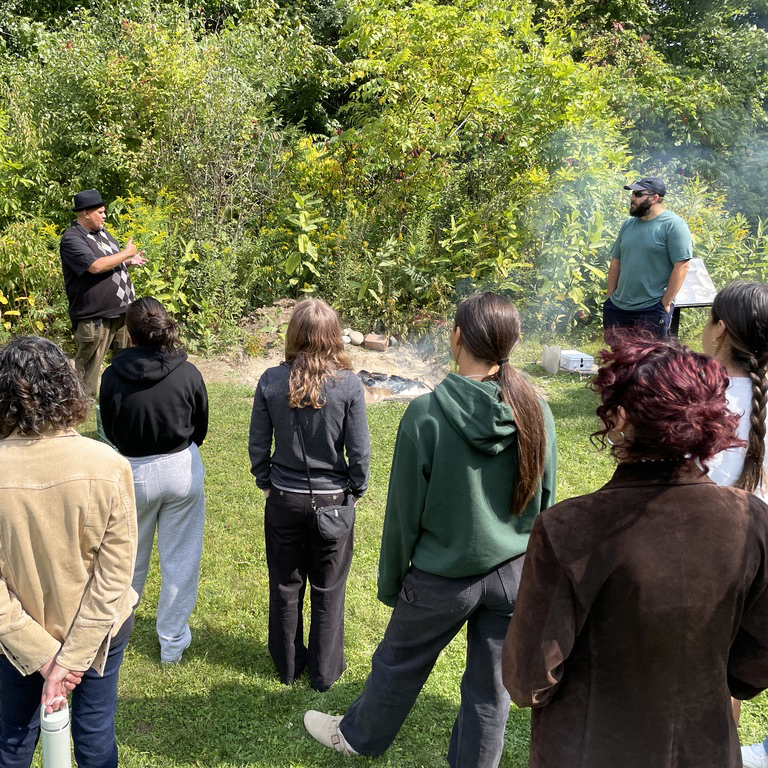
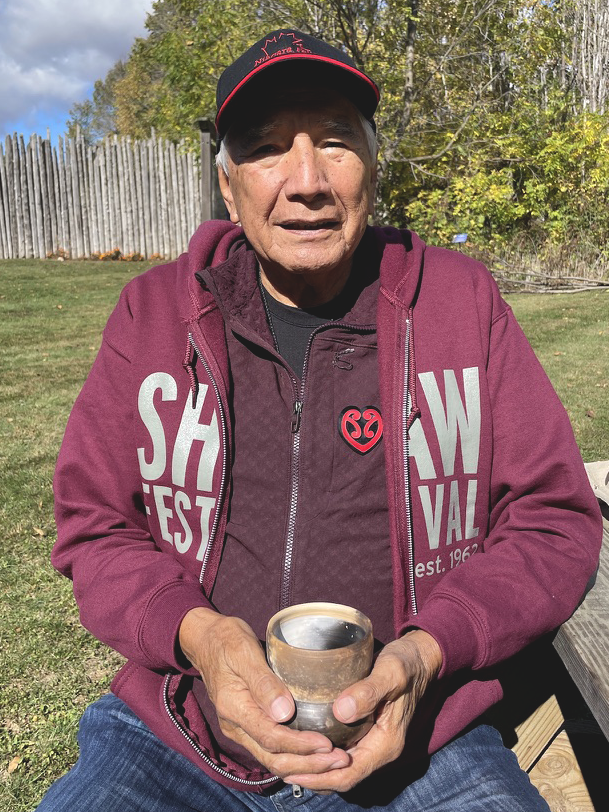
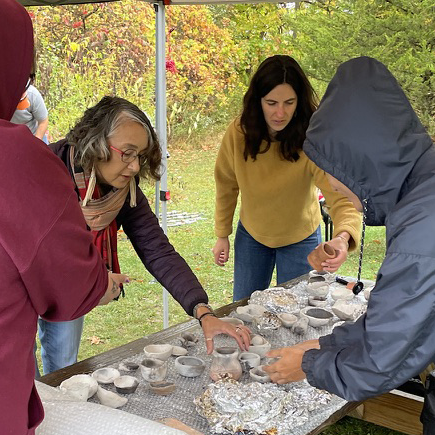
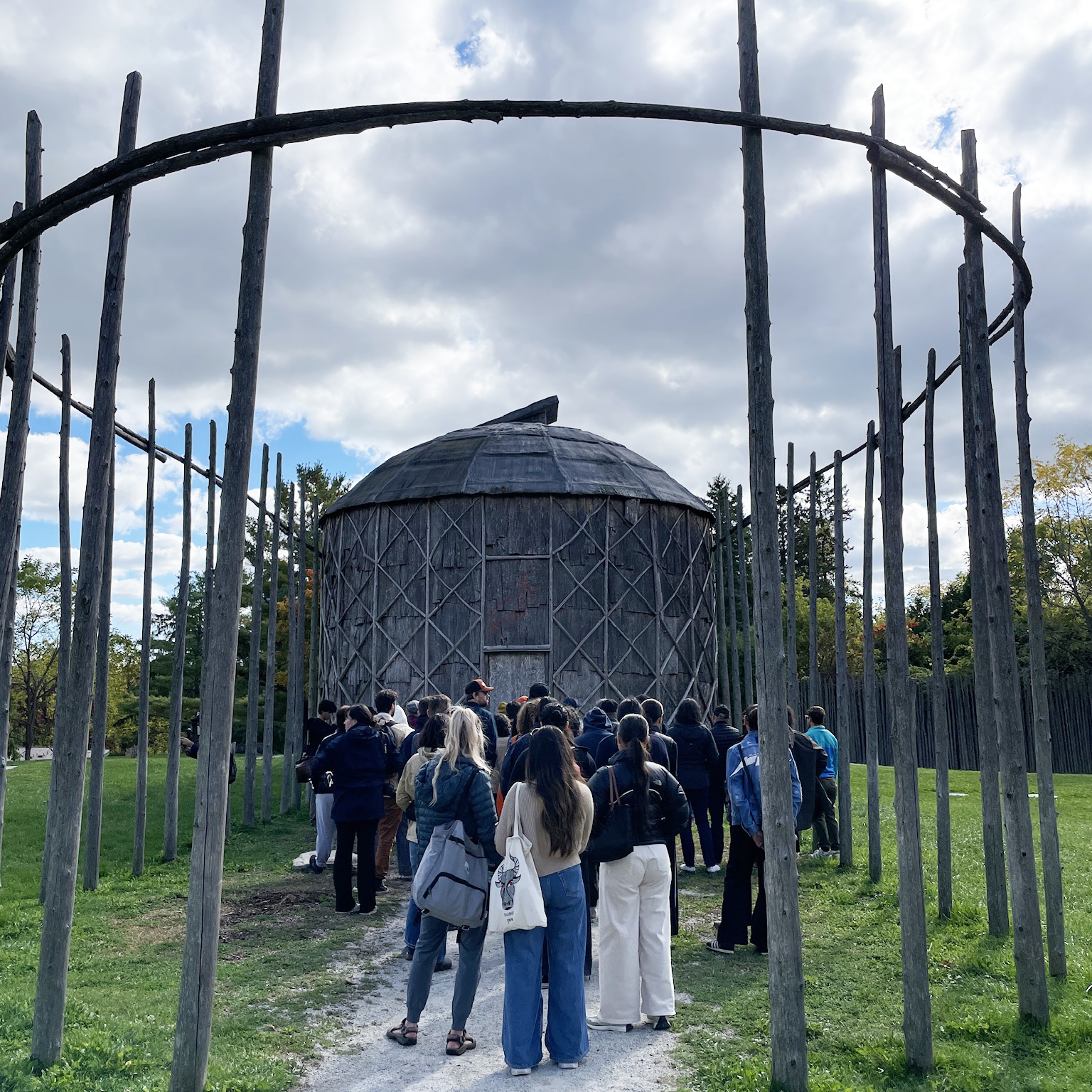
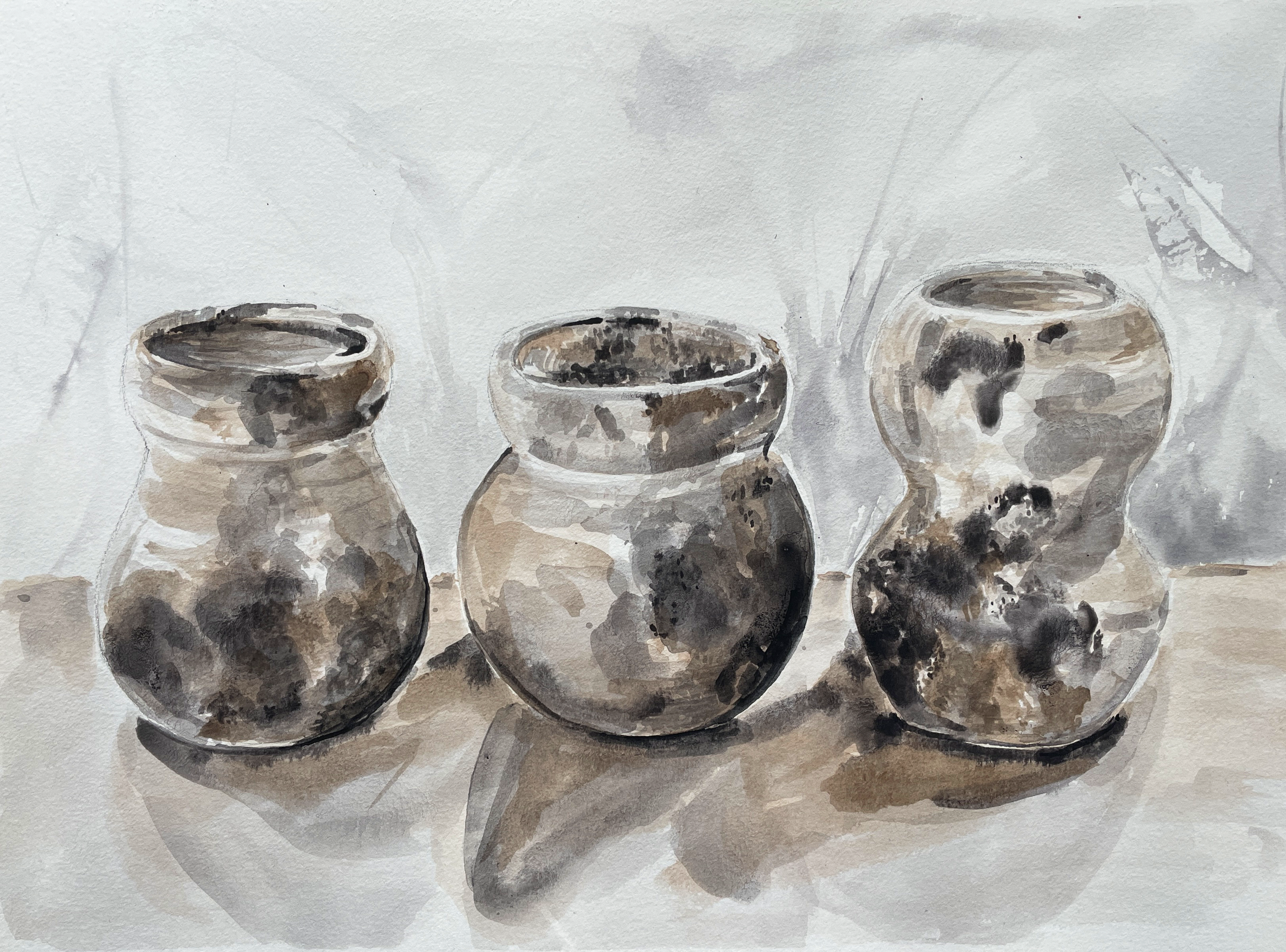
Otkonkénhte (F.I.R.E.) is a site-specific project developed by OTEKH for the Lawson Site in Southern Ontario, within the Dish with One Spoon treaty territory. Located along the Thames River watershed and stewarded by the Museum of Ontario Archaeology, the site is understood by Onkwehonwe as a sacred place, marked by material traces of long-standing community life, including clay vessels. Long before its archaeological designation, the Lawson Site was a lived settlement shaped through generations and their interrelationships with the land—an active site of exchange, production, ceremony, and governance. Haudenosaunee stories, alongside other historical records, speak to layered histories of diplomacy, migration, and shared presence among Wendat, Haudenosaunee, Anishinaabe, and other Indigenous nations. For us, this is not a site sealed in the past but a place where history remains active and relational. The clay fragments recovered here are not inert remnants but material presences of cultural practice—hands in earth, fire hardening form—where making has always been inseparable from responsibility, memory, and continuity embedded in place.
-
As a researcher and studio supervisor at OTEKH Lab, I am co-developing an intelligent pit-fire kiln equipped with sensors and connected to AI, that engages with technological innovation and tradition for new creative possibilities and research outcomes. I am a collaborator in the Abundant Intelligences global network, supporting interdisciplinary research on AI through Indigenous epistemologies as studio supervisor with the Haudenosaunee POD.
-
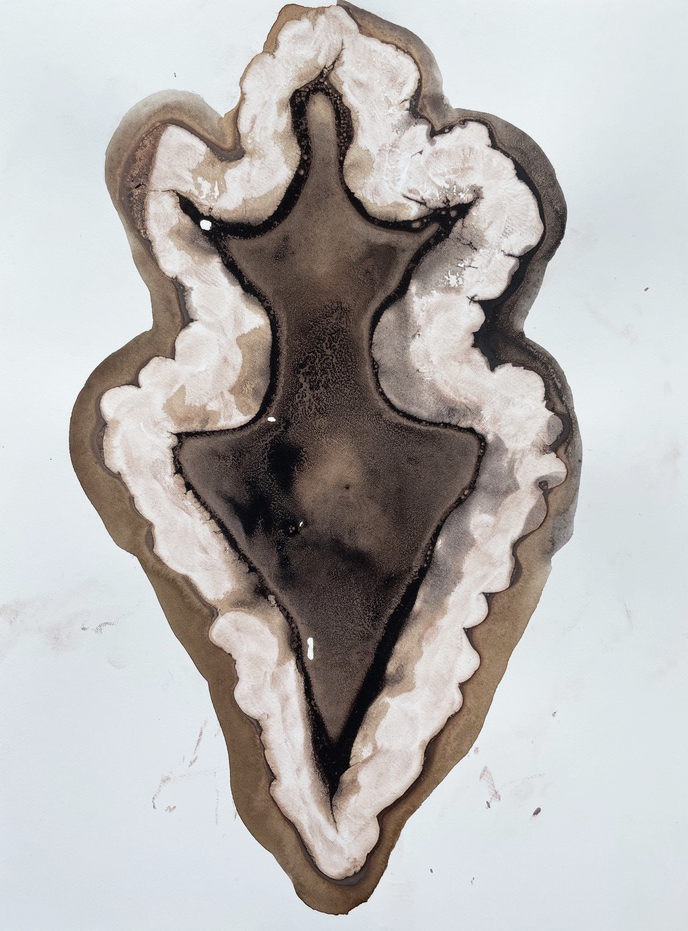
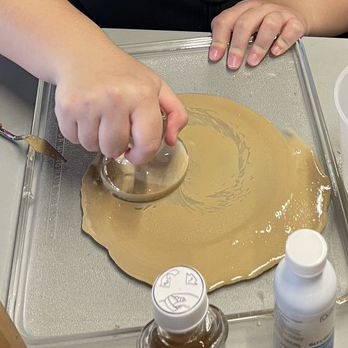
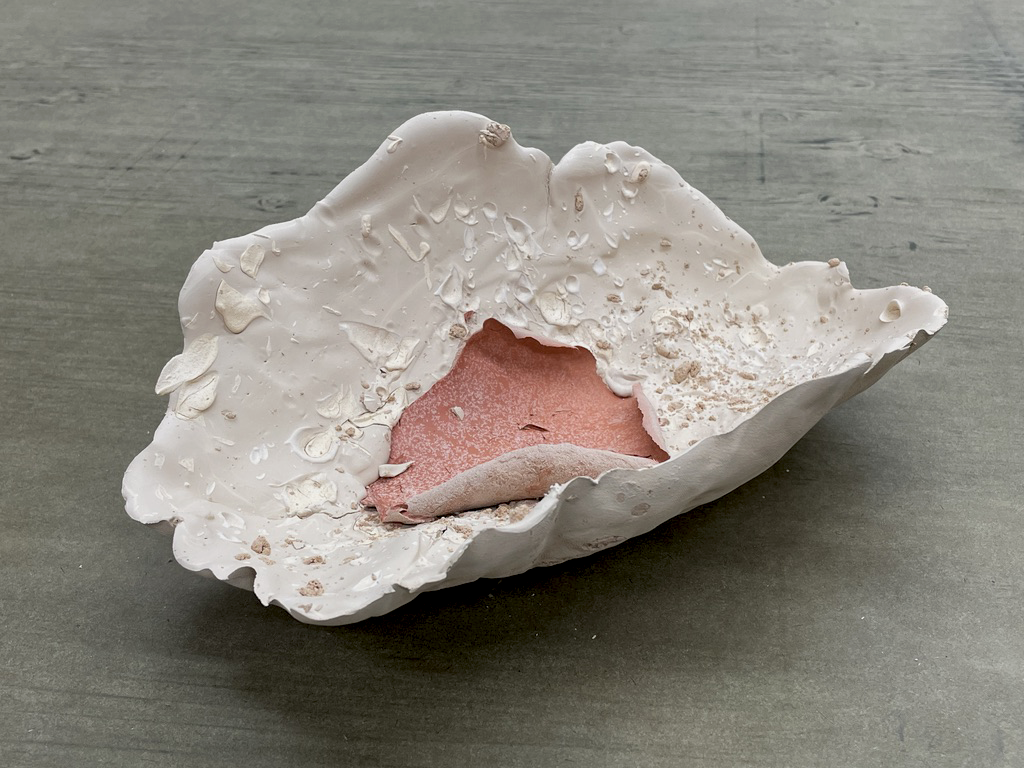
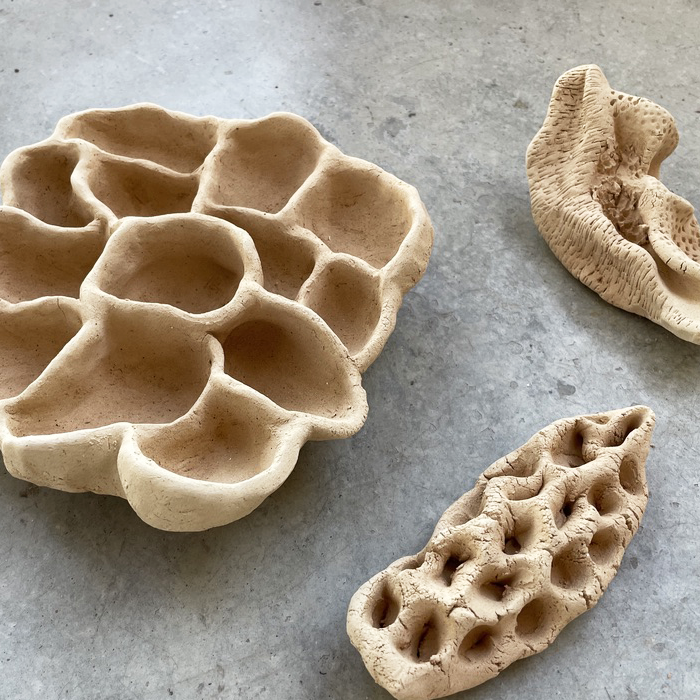
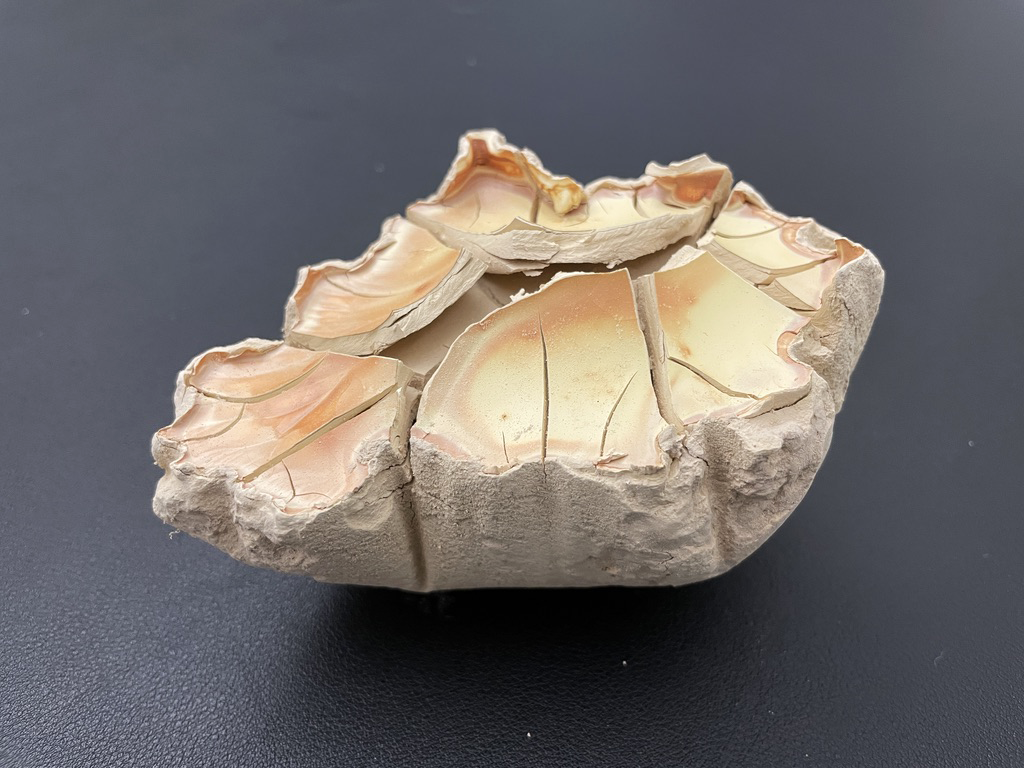
Ongoing research-creation practice with natural Earth materials. Through developing ways to shift my creative practice in response to climate change I began to work with locally available plants and minerals in pigment making and researching natural clay. Doing this on my own in my creative practice, learning about pigment making techniques and recipes has led to insights and a deep commitment to this work. Trained in ceramics studio art, I have expanded on my practice to learn about local geologies, early ceramics practices and am developing a project to continue in this direction. The Earth Will Last Forever is based around the research question into the impacts of switching to local hand-processed clays as an act of care for the Earth. E4 Lab: Kahionhaktà:tye, a recently funded CFI (JELF) research space of which I am co-applicant and co-investigator is under development at Western University (London, ON). My ongoing materials research will be supported through this Lab space, equipment and infrastructure.